

Sleeping Positions That Make TMJ Worse (and Better Alternatives)
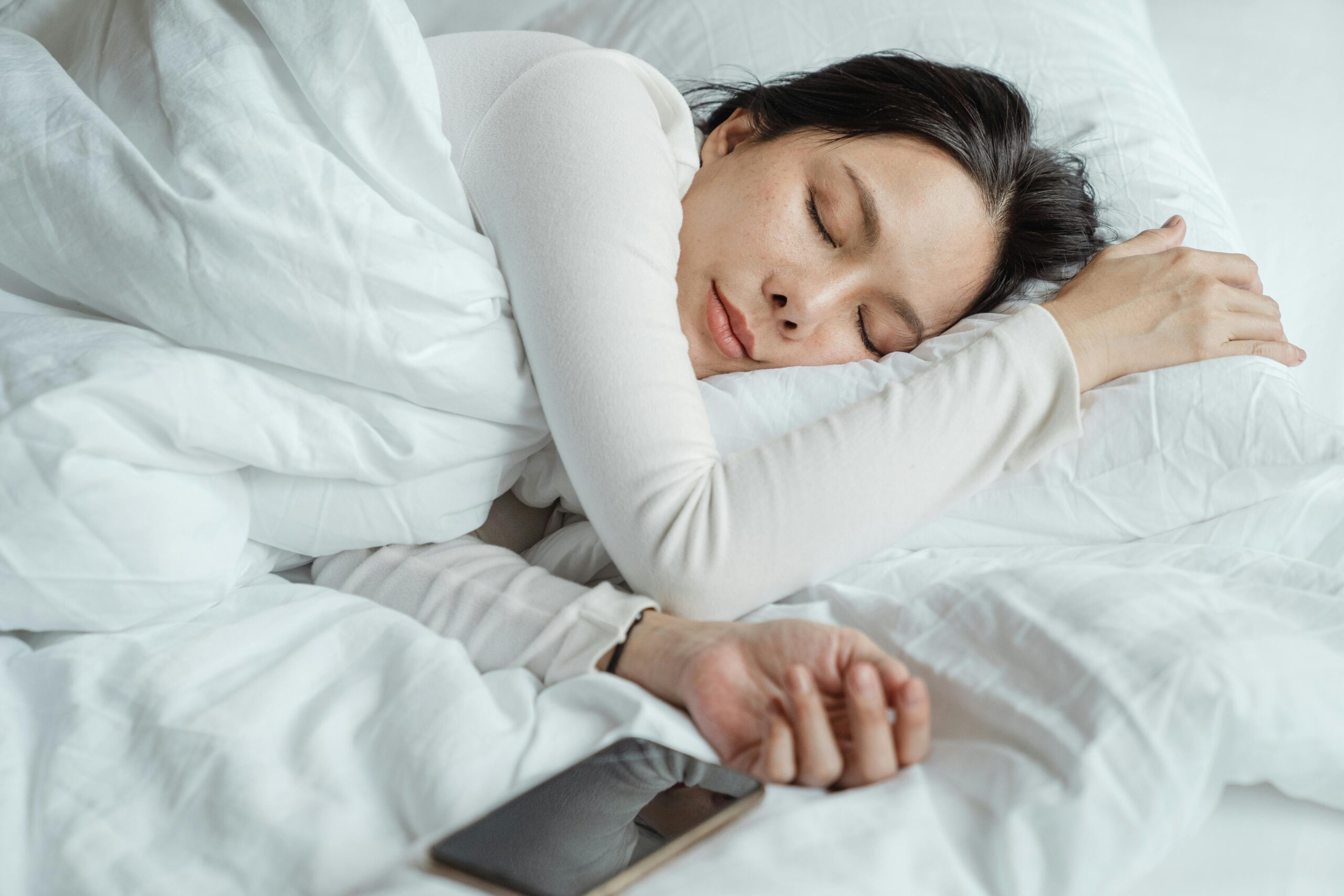
Because the jaw, neck, shoulders, and spine are so closely connected, sleeping position matters more for TMJ than most people realize. While sleep should be restorative, the way you sleep can make jaw pain, tension, and flare-ups worse. Small, repeated strain over hours each night can add up to morning jaw stiffness, headaches, and increased clicking or popping.
Below, we’ll cover which sleeping positions tend to aggravate TMJ symptoms — and what to try instead.
How Sleeping Positions Affect TMJ
The temporomandibular (jaw) joints don’t operate in isolation. They’re influenced by:
- Neck alignment
- Shoulder positioning
- Head tilt
- Muscle tension
- Clenching or grinding during sleep
When your head and neck are out of alignment for long periods, it can shift the resting position of the jaw and increase strain on already sensitive muscles and joints. Over time, this can worsen TMJ symptoms or make flare-ups more frequent.
Sleeping Positions That Can Make TMJ Worse
Stomach Sleeping
Sleeping on your stomach is one of the most problematic positions for TMJ.
It typically forces the head to rotate to one side for hours at a time, placing uneven pressure on the jaw, neck, and cervical spine. This rotation can pull the jaw slightly out of its natural resting position and increase muscle tension on one side of the face.
Many people who sleep on their stomach also press their jaw into the pillow or mattress, which can worsen popping, clenching, and morning jaw pain.
Side Sleeping Without Proper Support
Side sleeping isn’t inherently bad for TMJ, but unsupported side sleeping can be.
If your pillow is too low or too high, your head may tilt downward or upward, creating lateral strain on the jaw and neck. This imbalance can compress one side of the jaw joint while overstretching the other.
Side sleepers are also more likely to rest their jaw directly on their hand or pillow, increasing localized pressure. This position can lead to waking up with a tight jaw or stiff neck.
Sleeping With Your Hand Under Your Jaw
This habit is surprisingly common and often unconscious.
Resting your hand, arm, or wrist under your jaw pushes the joint upward and backward, subtly altering alignment for hours at a time. Over time, this can contribute to jaw popping, clicking, or soreness, especially if combined with side sleeping.
Sleeping Without Neck Support
Regardless of position, sleeping without proper neck support can worsen TMJ symptoms.
A pillow that allows the head to fall too far back or forward changes how the jaw rests relative to the skull. This often increases nighttime clenching or grinding, even if you’re not aware you’re doing it.
Better Sleeping Positions for TMJ Relief
Back Sleeping (With Support)
For many people with TMJ, sleeping on the back is the most jaw-friendly position.
It allows the head, neck, and spine to remain neutral and reduces uneven pressure on the jaw joints. The key is proper pillow height. You want enough to support the natural curve of the neck without pushing the head forward. A cervical pillow can help with that.
Some people also find it helpful to place a small pillow or rolled towel under the knees to reduce spinal tension and encourage full-body relaxation.
Supported Side Sleeping
If back sleeping isn’t comfortable or sustainable, side sleeping can still work with the right setup.
Aim to:
- Use a pillow high enough to keep your head level with your spine
- Avoid letting your chin drop toward your chest
- Keep your jaw off your hands or forearms
Placing a pillow between the knees can also help keep the spine aligned and reduce upper-body tension that travels upward to the jaw.
Use a Night Guard
For people who clench or grind at night, a dentist-recommended night guard can help reduce muscle overuse and protect the jaw joint during sleep.
While it won’t correct sleeping position on its own, it can reduce the cumulative strain caused by clenching especially when paired with better sleep posture. If you want to explore an over-the-counter nightguard before moving to a professional grade one, this one is popular on Amazon.
Tips for Changing Your Sleep Position
Changing how you sleep can feel surprisingly difficult. A few gentle strategies can help:
- Use pillow placement to discourage rolling onto your stomach
- Hug a body pillow to stay comfortably on your side
- Focus on neck and shoulder relaxation before bed
- Avoid scrolling or clenching your jaw while falling asleep
Progress matters more than perfection. Even reducing time spent in aggravating positions can help over time.
Final Thoughts
TMJ symptoms often worsen at night, making sleep position an overlooked but important part of jaw care. While no single position works for everyone, supporting your head, neck, and jaw in a neutral, relaxed position can reduce unnecessary strain and help prevent flare-ups.
If you wake up with jaw pain, stiffness, or headaches, your sleeping position is a good place to start.
Subscribe to Living With TMJ
Living with TMJ can feel isolating and overwhelming. Subscribe to Living With TMJ for practical relief strategies, research-informed guidance, and supportive resources for managing jaw pain and TMJ symptoms. We’ll never spam you.
Disclaimer:
This content is for informational and educational purposes only and is not intended as medical advice. It does not replace consultation with a qualified medical or dental professional. If you have a medical concern, consult your healthcare provider. Never disregard or delay professional medical advice because of information found on this website.
This post may contain affiliate links. If you purchase through these links, I may earn a small commission at no additional cost to you. I only share products I genuinely find helpful.