

Foods to Avoid With TMJ (And Why They Worsen Jaw Pain)
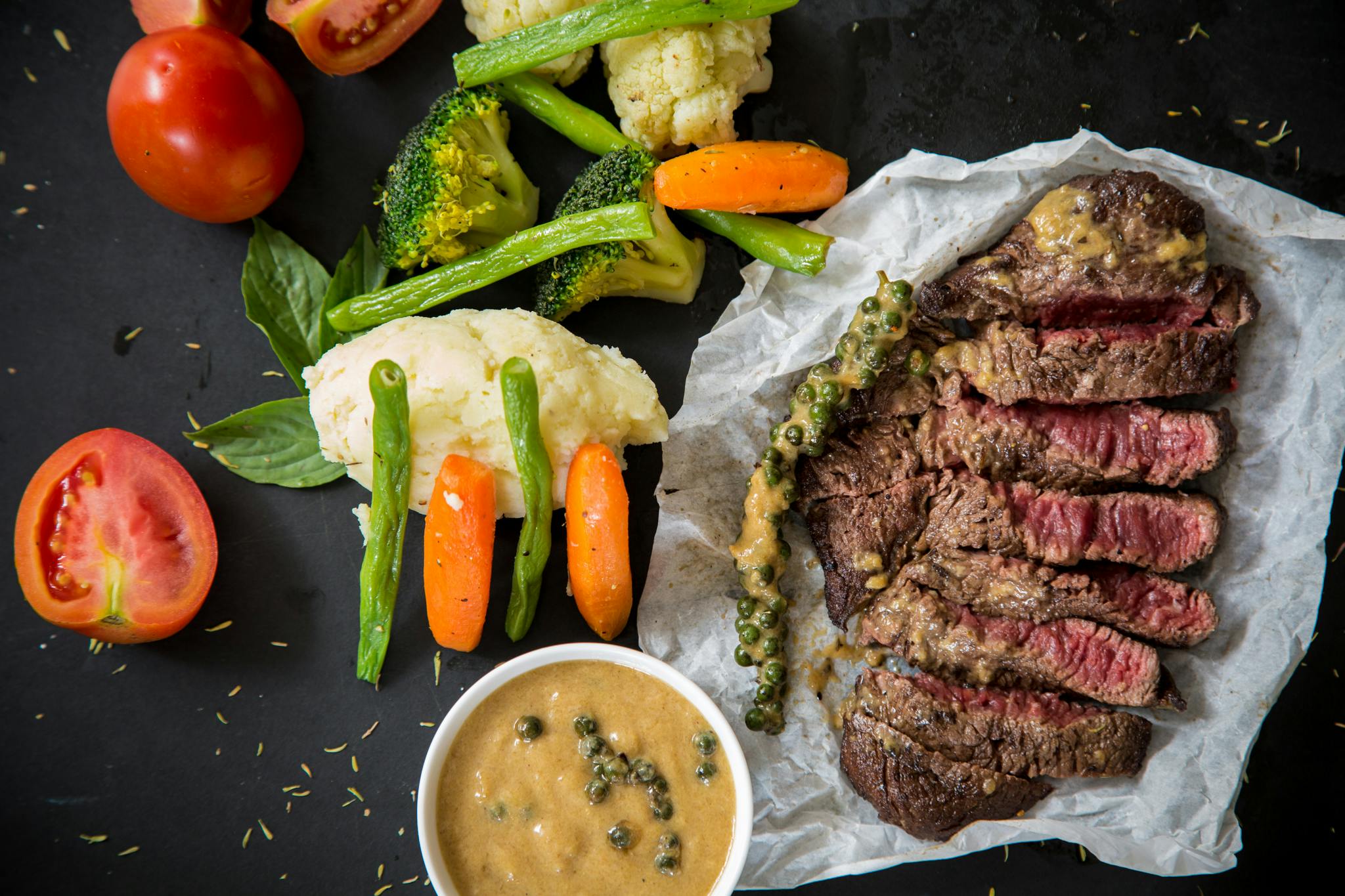
Learning which foods to avoid with TMJ can significantly reduce stress on your jaw joint and help manage painful flare-ups. The temporomandibular joint is a complex joint located just in front of your ears, connecting your jaw to your skull. It’s supported by a network of muscles responsible for chewing, speaking, and facial movement.
One of those muscles — the masseter, located along the jawline — is the most powerful muscle in the human body. In a healthy jaw, it allows us to chew tough foods efficiently. But for those of us living with TMJ, overusing this muscle can quickly lead to pain, inflammation, clicking, headaches, and worsening symptoms.
Because of this, certain foods should be avoided entirely during flare-ups, while others should be eaten slowly and with caution. In fact, the National Institute of Health found that switching to a softer, jaw-friendly diet can help people improve their TMJ symptoms.
Alleviate TMJ Pain With Dietary Changes
Think of TMJ care the same way you’d treat any other joint injury. If your knee was injured, you wouldn’t load it with heavy weight and repetitive strain. Well, the same logic applies to your jaw.
Dentists, orthodontists, and ENT specialists often recommend avoiding many of the foods on this list even for people without TMJ. For those with jaw dysfunction, these foods can place unnecessary strain on already sensitive joints and muscles.
You don’t need to eliminate everything at once. Making gradual changes allows your body and brain to adapt, helping you build sustainable habits without feeling deprived. Even awareness alone is a powerful first step.
Foods to Avoid With TMJ
1. Hard & Crunchy Foods
Hard foods require powerful, forceful biting that puts excessive pressure on the jaw joint. Because it’s difficult to control the force and impact of these bites, they often leave the jaw feeling sore, fatigued, or unstable.
Avoid or limit:
- Ice
- Hard raw vegetables (like carrots)
- Hard candy and jawbreakers
- Dry granola
- Nuts
These foods can significantly aggravate TMJ pain and increase post-meal soreness.
2. Tough Foods
Tough foods require tearing motions before chewing, forcing the masseter muscle to work overtime. This places strain not only on the muscles, but directly on the jaw joint itself — especially problematic if you experience clicking or popping.
Avoid or limit:
- Beef jerky
- Pizza crust
- Hard-crusted breads
- Well-done or overcooked meat
- Fruit leather
- Bagels
Repeated exposure to these foods can worsen inflammation and prolong flare-ups.
3. Sticky & Chewy Foods
Sticky foods cling to the teeth and require strong tongue and jaw movements to release and chew again. These foods often encourage side-to-side jaw motion, which can fatigue muscles and trigger TMJ headaches.
Avoid or limit:
- Chewing gum
- Taffy
- Caramels
- Licorice, Skittles, and similar candies
- Sticky rice
Chewing gum, in particular, is one of the most commonly reported jaw pain triggers. So it’s one of the top “foods” to avoid with TMJ.
4. Large Bites & Overopening
Even soft foods can aggravate TMJ if eaten in large bites. Overopening the jaw stresses the joint and surrounding muscles. Stretching to the maximum range of mobility to eat a burger or sandwich should be avoided if and when possible.
Tip: Cut food into smaller pieces and avoid foods that require wide jaw opening.
5. Caffeine & Alcohol (For Some People)
Caffeine and alcohol can increase muscle tension, dehydration, and inflammation. Many people with TMJ notice increased clenching or morning jaw pain after consuming these regularly.
You don’t necessarily need to eliminate them entirely. But reducing intake during flare-ups may help.
TMJ-Friendly Foods to Eat Instead
When avoiding trigger foods, it helps to replace them with options that give your jaw a break.
Softer foods:
- Yogurt
- Scrambled eggs
- Smoothies
- Soups and stews
- Oatmeal
Easy-to-chew proteins:
- Fish
- Tofu
- Ground meats
- Lentils
A softer, anti-inflammatory diet allows the jaw joint to rest and recover.
Will Diet Alone Cure TMJ?
Avoiding trigger foods can significantly reduce pain and flare-ups, but diet alone may not resolve all TMJ symptoms. TMJ disorder is multifactorial and often requires a combination of lifestyle changes, stress management, and posture awareness. In some cases you may want to pursue professional care.
If symptoms persist or your TMJ gets worse, Living With TMJ recommends consulting a qualified dental or medical professional for personalized guidance.
Explore More TMJ Relief Resources
You may also find relief strategies helpful in these guides:
- How to Relieve TMJ Headaches
- Best Supplements for TMJ Pain Relief
- How to Get TMJ Covered by Insurance
Subscribe to Living With TMJ
Living with TMJ can feel frustrating and isolating. Join Living With TMJ for practical relief strategies, research-informed resources, and supportive guidance for managing jaw pain. We’ll never spam you.
Disclaimer:
This content is for informational and educational purposes only and is not medical advice. It does not replace consultation with a qualified medical or dental professional. If you have a medical concern, consult your healthcare provider.
This post may contain affiliate links. If you purchase through these links, I may earn a small commission at no additional cost to you. I only share products I genuinely find helpful.